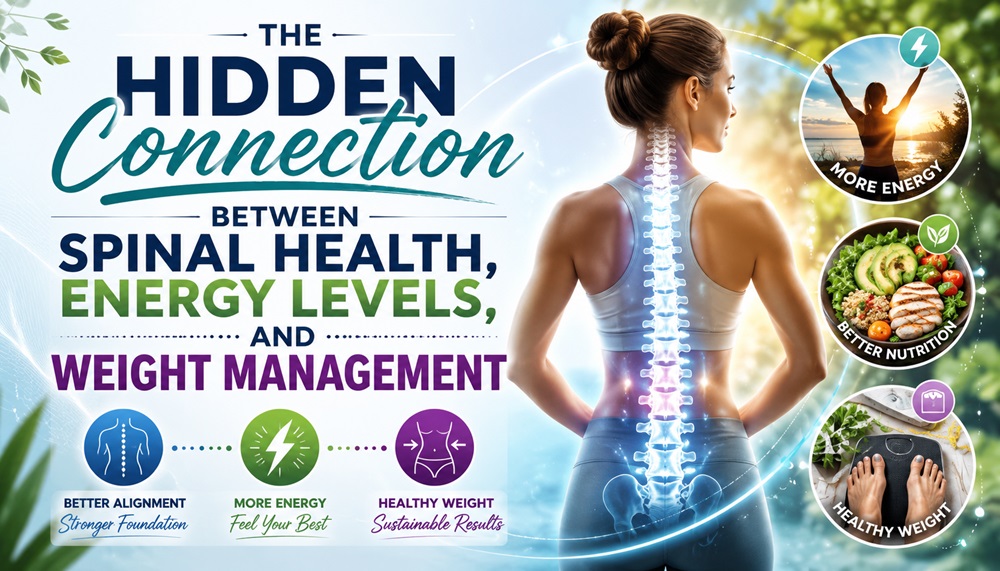
When most people think about weight loss, they immediately focus on diet plans, exercise routines, and calorie counting. While these factors certainly play important roles, many individuals overlook another critical component of overall health: the condition of their spine and nervous system.
Surprisingly, spinal health can influence many aspects of everyday life, including mobility, physical activity, energy levels, sleep quality, and overall wellness. When these areas are compromised, maintaining a healthy lifestyle can become significantly more difficult.
At Cartwright Chiropractic and Wellness Center, patients often discover that improving their overall health requires a broader approach—one that addresses not only nutrition and exercise but also spinal function, lifestyle habits, recovery, and wellness education.
Understanding how these factors work together can help individuals make more informed decisions about their health and create a stronger foundation for long-term success.
Your Nervous System Controls More Than You Realize
The nervous system serves as the body’s communication network. It helps coordinate movement, sensation, balance, muscle function, and countless other processes that support daily life.
The spine plays an essential role in protecting this system. When spinal function becomes compromised due to poor posture, injuries, repetitive stress, or everyday wear and tear, individuals may begin experiencing symptoms that affect their quality of life.
Common complaints include:
- Neck discomfort
- Back pain
- Reduced flexibility
- Muscle tension
- Joint stiffness
- Limited mobility
- Headaches
- Fatigue
These issues can make it more difficult to stay active and maintain healthy routines that support overall wellness.
Why Mobility Matters for Weight Management
Physical activity is an important part of maintaining a healthy lifestyle.
However, many individuals struggle to exercise consistently because pain, stiffness, or limited mobility make movement uncomfortable.
When simple activities become difficult, people often become less active over time. This reduction in activity can influence overall fitness levels, energy expenditure, and long-term health outcomes.
Improving mobility may help individuals:
- Move more comfortably
- Participate in recreational activities
- Exercise more consistently
- Improve posture
- Increase flexibility
- Support overall physical function
This is one reason many wellness professionals emphasize spinal health as part of a comprehensive approach to wellbeing.
The Relationship Between Pain and Lifestyle Habits
Chronic discomfort often affects more than physical movement.
When individuals experience ongoing pain or stiffness, it can impact several areas of daily life, including:
-
Sleep Quality
Pain can interfere with restful sleep, leaving individuals feeling tired and less motivated during the day.
-
Physical Activity
Discomfort may reduce participation in exercise or recreational activities.
-
Stress Levels
Persistent pain often contributes to emotional stress and frustration.
-
Daily Productivity
Many people find it difficult to maintain peak performance when dealing with physical discomfort.
Over time, these challenges can create a cycle that affects overall health and wellness.
Addressing physical limitations may help break that cycle and support healthier lifestyle choices.
Why Energy Levels Matter More Than Motivation
Many people blame themselves when they struggle to maintain healthy habits.
They assume they lack discipline or motivation.
In reality, low energy is often a major factor.
When individuals consistently feel tired, exhausted, or physically uncomfortable, even simple healthy habits can feel overwhelming.
Maintaining energy requires attention to several key factors:
- Quality sleep
- Proper nutrition
- Physical activity
- Stress management
- Recovery
- Overall wellness
When these areas improve, many individuals find it easier to stay committed to healthier routines.
Nutrition Is More Than Weight Loss
Nutrition is frequently discussed in the context of weight management, but its impact extends far beyond the number on a scale.
The foods people consume influence:
- Energy production
- Mental focus
- Recovery
- Physical performance
- Immune function
- Long-term wellness
Unfortunately, modern diets often contain highly processed foods that provide calories without supplying optimal nutritional value.
Learning how to make healthier food choices can positively influence nearly every aspect of health.
This is why nutritional education remains a critical component of comprehensive wellness programs.
How Red Light Therapy Supports Recovery and Wellness
One wellness technology receiving increased attention is Red Light Therapy.
This non-invasive treatment uses specific wavelengths of light that penetrate the skin and interact with cells throughout the body.
Many individuals incorporate red light therapy into their wellness routines because it offers a convenient way to support recovery and overall wellbeing.
Potential benefits often associated with red light therapy include:
- Enhanced circulation
- Improved recovery support
- Reduced inflammation
- Increased cellular energy production
- Improved skin appearance
- Wellness maintenance
Because treatments are comfortable and require no downtime, many patients find it easy to include them as part of a broader health strategy.
The Growing Popularity of Non-Invasive Body Sculpting
Modern wellness programs increasingly combine healthy lifestyle changes with advanced technologies that support body composition goals.
Non-invasive body sculpting and green laser fat reduction treatments have become popular among individuals seeking additional support while pursuing healthier lifestyles.
These treatments are not intended to replace healthy eating habits or regular activity.
Instead, they can complement comprehensive wellness efforts by helping individuals feel more confident and motivated throughout their journey.
Confidence often plays an important role in maintaining long-term commitment to personal health goals.
Small Daily Choices Create Long-Term Results
One of the biggest misconceptions about health improvement is that dramatic changes are required to achieve meaningful results.
In reality, sustainable wellness is usually built through consistent daily habits.
Examples include:
- Drinking more water
- Walking regularly
- Improving posture
- Sleeping seven to eight hours each night
- Managing stress effectively
- Making healthier food choices
- Scheduling routine wellness visits
While each habit may seem small on its own, their combined effect can produce significant improvements over time.
Consistency is often more important than perfection.
Why Wellness Should Be Viewed as a Lifestyle
Many people approach health as a short-term project.
They commit to a diet for a few weeks, exercise intensely for a month, or try a wellness challenge before returning to old habits.
True wellness works differently.
Long-term health is not something achieved through temporary efforts. It is the result of ongoing decisions that support physical, mental, and emotional wellbeing.
When individuals view wellness as a lifestyle rather than a destination, they often experience greater success and satisfaction.
This shift in perspective can help transform health goals from short-term resolutions into lifelong habits.
The Value of Personalized Care
No two individuals have identical health histories, lifestyles, or wellness goals.
What works for one person may not work for another.
Personalized healthcare allows professionals to develop recommendations based on individual needs, challenges, and objectives.
This customized approach often leads to better outcomes because it takes into account the unique circumstances of each patient.
Whether someone is focused on improving mobility, increasing energy, managing weight, or enhancing overall wellness, individualized guidance can provide valuable support throughout the journey.
Final Thoughts
Health is influenced by many interconnected factors, including nutrition, movement, recovery, stress management, sleep quality, and spinal health.
While weight loss often receives the most attention, true wellness involves much more than appearance. It requires creating a healthy foundation that supports energy, mobility, comfort, confidence, and long-term quality of life.
By taking a comprehensive approach that addresses the whole person rather than isolated symptoms, individuals can build sustainable habits that support lifelong health.
Whether the goal is improving mobility, increasing energy, supporting weight management, or simply feeling better each day, investing in overall wellness is one of the most important decisions anyone can make for their future.
Media Contact
Name: Dr. Yvonne Cartwright
Company Name: Cartwright Chiropractic Inc.
Address: 2766 Mack Road, Fairfield, OH 45014, United States.
Phone: (513) 942-2500
Email: yvonne@cartwrightchiropractic.com
Website: www.cartwrightchiropractic.com